
Fabric Sourcing from China for Brands & Importers
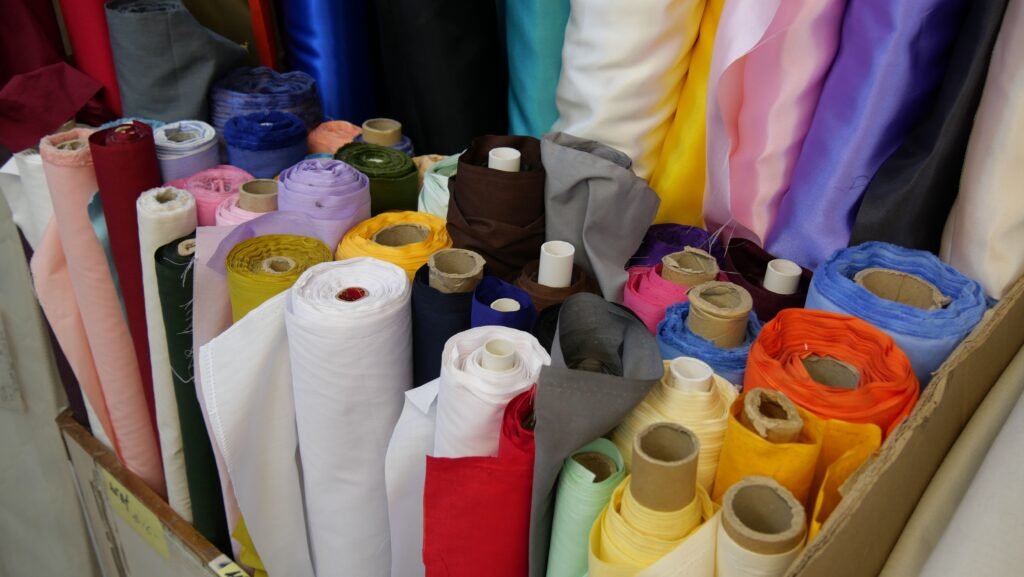
Start with the fabric that fits your product.

Cotton

Polyester

Rayon & Viscose

Twill

Silk

Linen
Fabric risk starts before bulk production.
Composition and construction differ.
Confirm fiber mix, woven or knit construction, and the intended application.
GSM, width and stretch change the result.
Record fabric weight, usable width, elasticity and agreed tolerances.
Color cards may not match bulk lots.
Agree on lab dips or approved samples, shade tolerance and lot identification.
Shrinkage and colorfastness need controls.
Identify the tests relevant to end use and destination requirements.
Finishing can alter hand feel.
Approve coatings, washing, brushing and other finishes where applicable.
Bulk inspection must reference the sample.
Use approved specifications and samples to evaluate roll-to-roll consistency.
Control the fabric decision at every stage.
Define the fabric brief
Composition, weave or knit, weight, width, finish, color, quantity and destination.
Shortlist suitable suppliers
Compare relevant capability, options, MOQ, sampling and quotation terms.
Request swatches and samples
Check available references and sample options against the brief.
Approve the production reference
Confirm material, shade, measurements, finish and any required test criteria.
Follow bulk production
Track agreed milestones, approved changes and identified fabric lots.
Check fabric and packing
Review applicable inspection evidence, roll labels and shipment readiness.
Consolidate when useful
Coordinate fabric handoffs with trims, packaging or other approved items.
Arrange shipment
Align packing lists, cartons or rolls and delivery handoff requirements.
Approve the fabric—not just a photograph.
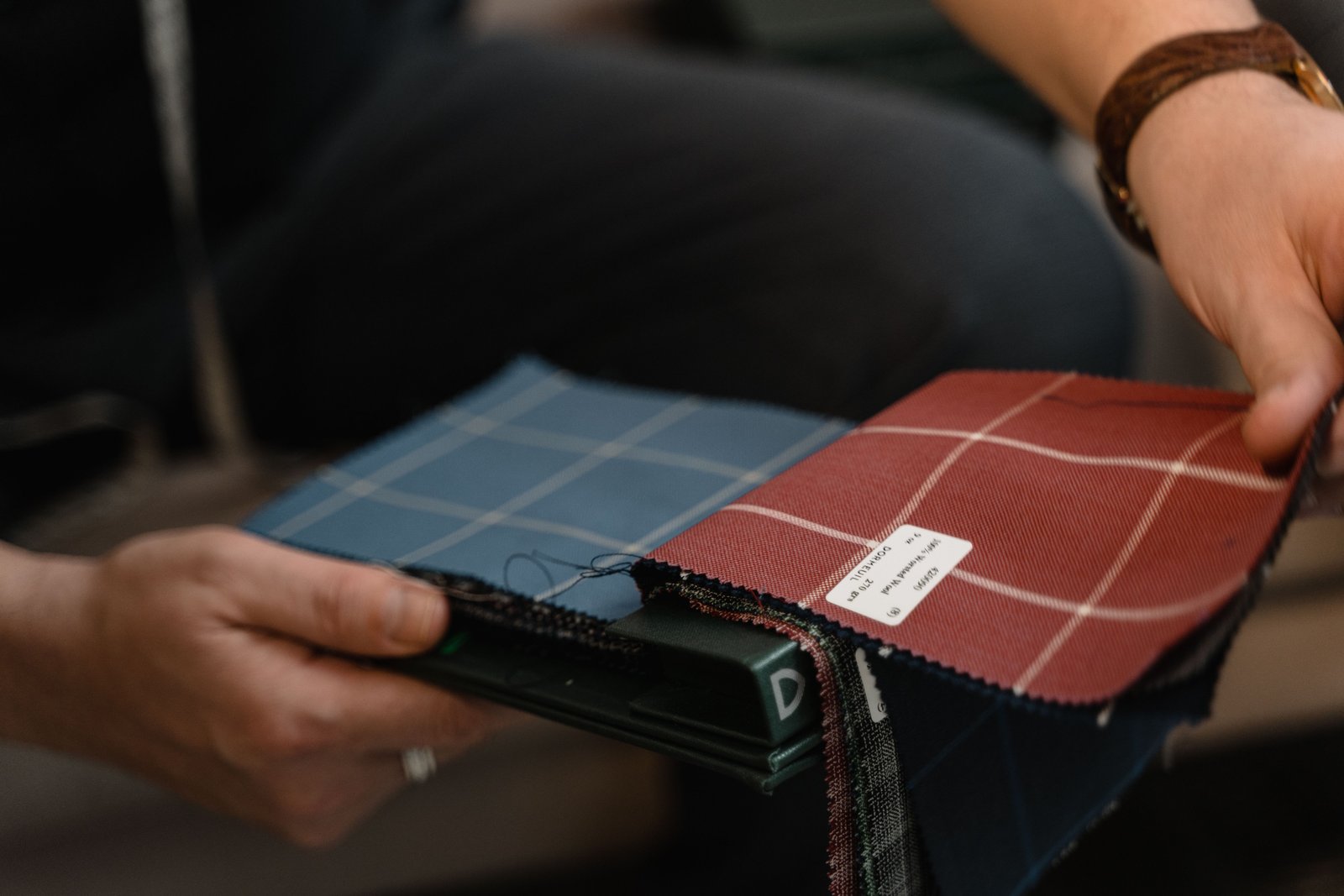
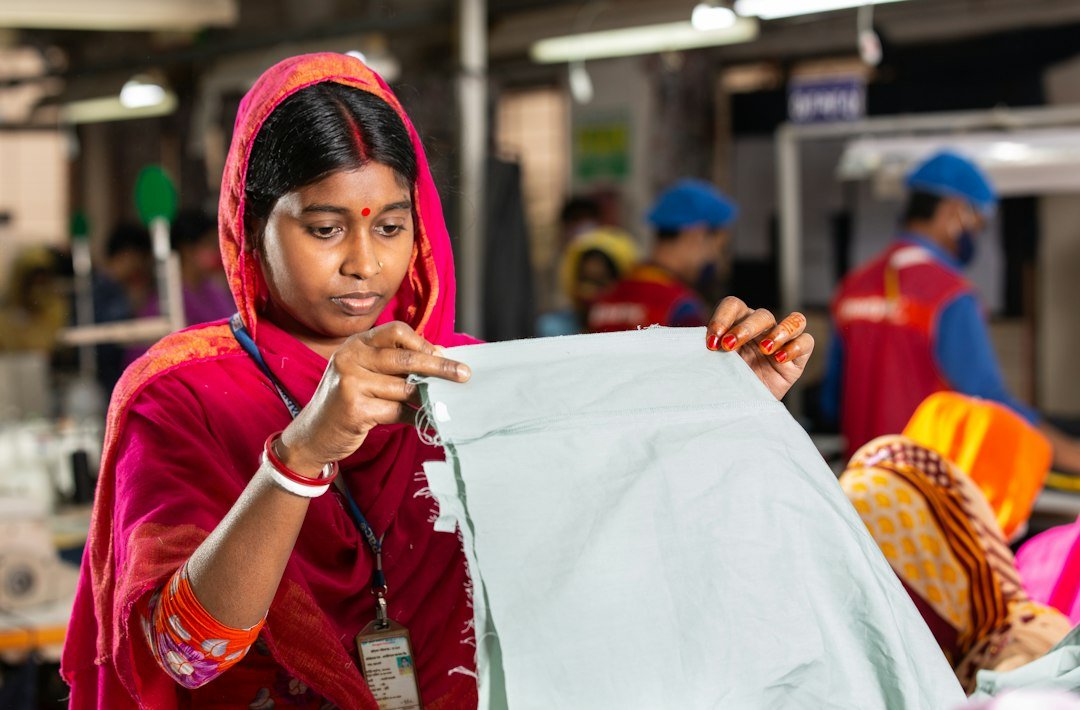
Check bulk fabric against the approved reference.
- Fiber content and construction, where verifiable
- Weight, width and other measurable tolerances
- Color consistency and batch identification
- Appearance, defects and finishing quality
- Requested tests and their agreed acceptance criteria
- Roll identification, quantity and packing records
Made for fabric buyers who need repeatable results.
Good fit
- Brands specifying fabric for apparel production
- Importers comparing fabric suppliers
- Buyers needing sample-to-bulk consistency
- Projects combining fabrics and other sourced components
You may not need a full sourcing workflow
- You only need a small ready-stock retail cut
- You already have an approved supplier and quality controls
- The order is too small for managed coordination
- You only need one isolated service, such as inspection
Questions before you source fabric.
What fabric details should I send first?
Share fiber composition, application, reference photos or swatches, weight, width, color, required finish, order quantity and delivery destination where available.
Can you source a fabric from an existing swatch?
An existing swatch is a useful starting point. Supplier matching and equivalence depend on the sample, construction, availability and agreed tolerances.
Can I request color or print matching?
Discuss lab dips, prints and sample approval with suppliers before production. The acceptable color difference and approval reference should be documented.
What is the minimum order quantity?
MOQ varies by fabric, color, finish, supplier and whether stock or custom production is needed. It should be confirmed when quoting; this page does not promise a fixed MOQ.
How do you handle shade differences in bulk fabric?
Define an approved reference and agreed shade tolerance, identify lots, and review the feasible remedy with the supplier when discrepancies are found.
Can fabric and garment sourcing be coordinated?
Where a project includes both fabric and garment production, scope the supplier responsibilities, approvals and handoffs before work begins. Explore Apparel →