
Apparel Sourcing from China for Brands & Importers

Apparel categories built around your product brief.
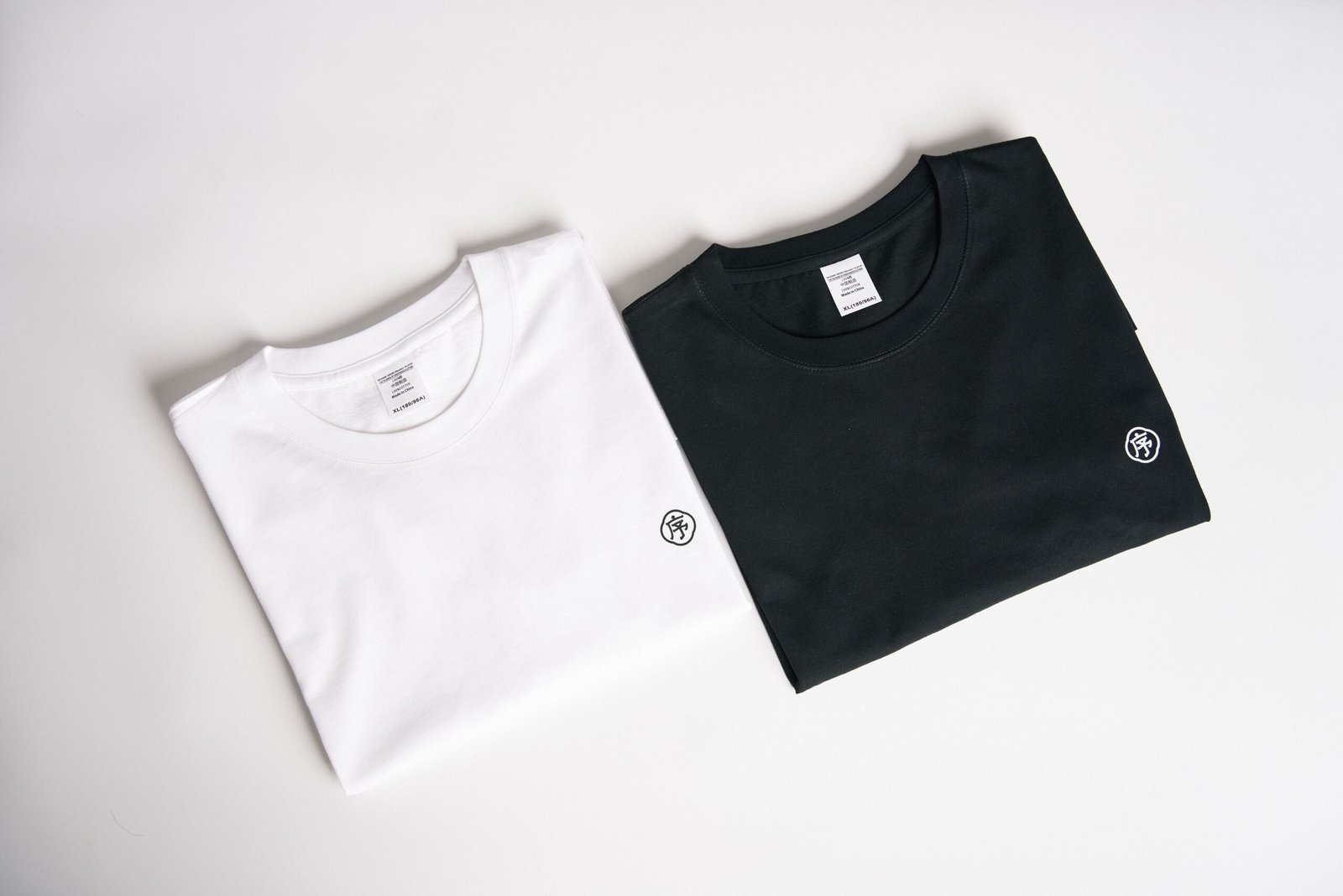
Casualwear & Everyday Basics

Sportswear & Activewear
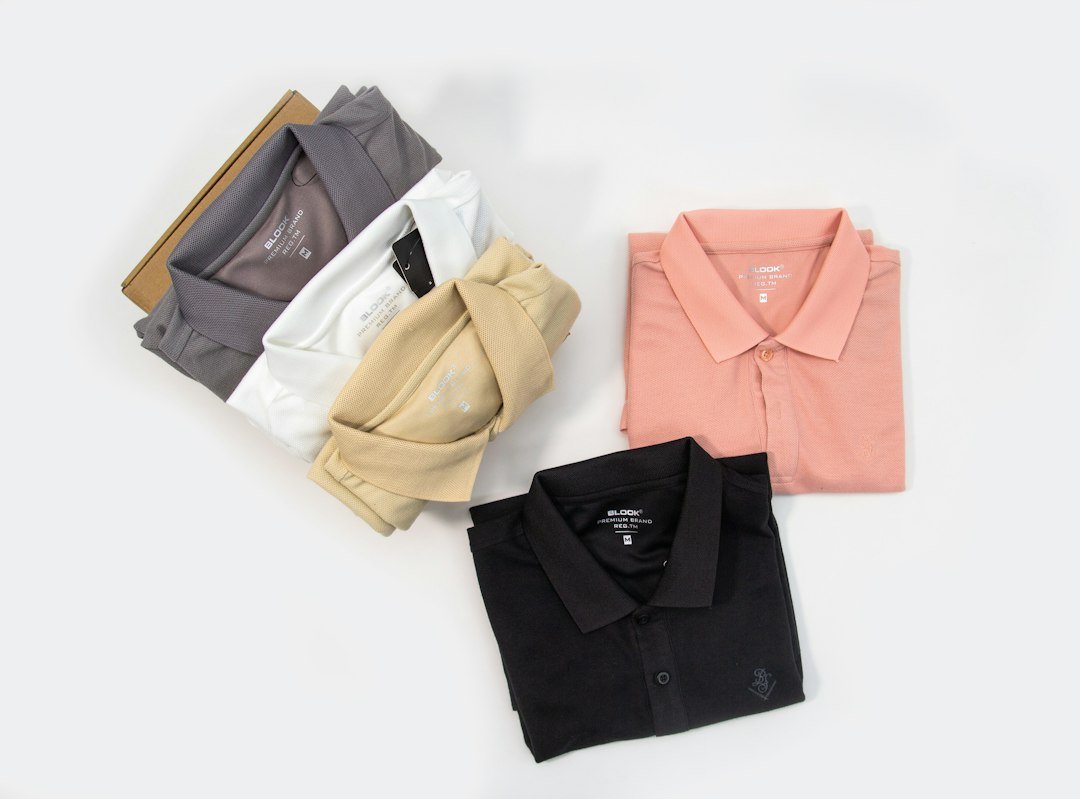
Uniforms & Workwear

Kidswear & Babywear

Intimates & Loungewear
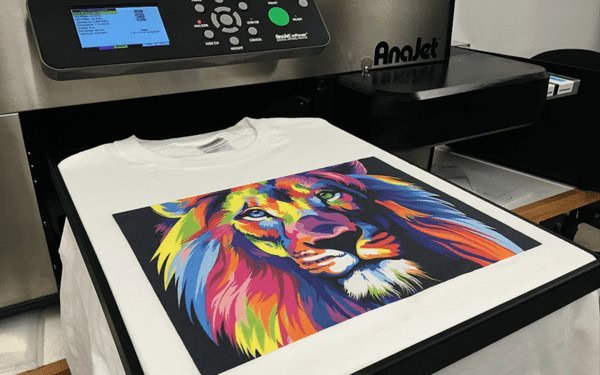
Private Label & Custom Apparel
Apparel risks start before bulk production.
One style becomes a size and color matrix.
Each size, colorway and pack ratio needs an agreed specification and quantity, not just a style name.
Fabric substitutions change the garment.
Fiber content, weight, stretch, hand-feel and color must match the approved reference. A cheaper quote may rely on a different material.
A fit sample is not the full size run.
Fit, grading, measurement tolerances and shrinkage need approval before bulk cutting and sewing.
Decoration and trims create new failure points.
Prints, embroidery, zippers, buttons, labels and artwork need placement and workmanship references.
Labels and testing depend on the destination.
Care instructions, fiber labeling, flammability or children’s apparel requirements vary by product and market; clarify them early.
Bulk production needs staged checks.
Color lots, workmanship, size ratios and packing quantities must be checked against the approved order before shipment.
From tech pack to shipment, keep every approval connected.
Define the tech pack and size chart
Set style details, fabric, colorways, dimensions, size ratios, trims, artwork, packing and destination-market requirements.
Compare appropriate garment suppliers
Review manufacturing capability, material options, sample timing, MOQ and comparable quotation terms.
Verify production capability
Match factory processes and controls to the garment, quantity and quality expectations.
Develop and review samples
Approve fabric, fit, construction, size set, wash or print references as relevant before bulk release.
Lock the pre-production reference
Confirm approved sample, graded measurements, bill of materials, labels, decoration and packing instructions.
Monitor cutting, sewing and finishing
Track production milestones and resolve material, workmanship or specification deviations while corrections remain possible.
Inspect garments and packing
Check approved measurements, appearance, workmanship, size and color ratios, labeling and carton records.
Reconcile and arrange shipment
Confirm the finished size and color mix, packing lists and handoff requirements; consolidate only when useful.
Private-label apparel starts with measurable approvals.

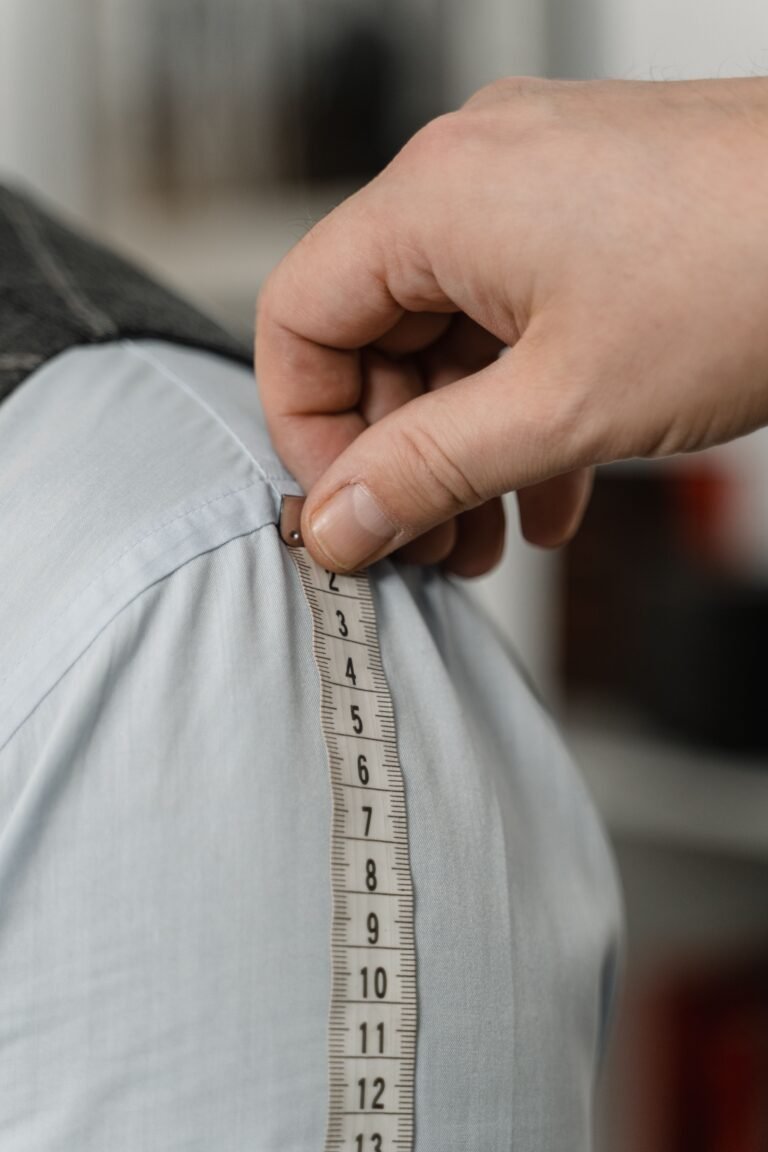
Inspect garments against the approved tech pack and samples.
- Fabric composition, appearance, shade and hand-feel against the approved reference
- Size chart, key garment measurements and permitted tolerances
- Stitching, seams, construction and visible workmanship
- Print, embroidery, trims, buttons and zipper placement
- Size and color ratios, care labels, hangtags and packaging
- Finished quantities, cartons and shipping documentation
Many variants, one controlled apparel order.
Styles
List each approved design and corresponding colorway.
Sizes
Confirm measurements, grading and quantities by size.
Produce / Check
Release approved references and track workmanship and output.
Pack / Reconcile
Match finished garments and cartons to the size and color matrix.
Ship
Hand off complete packing records for the agreed delivery plan.

Made for apparel buyers who need repeatable production.
Good fit
- Private-label brands developing styles, labels and packaging
- Retailers and wholesalers buying repeatable size and color ranges
- Importers comparing garment suppliers and production capability
- Businesses sourcing uniforms, workwear or custom apparel
- Buyers who need samples, production follow-up and inspection
You may not need a full sourcing workflow
- You only want one ready-stock retail item
- You already have an approved garment supplier and complete controls
- Your order is too small to justify a managed sourcing process
- You only require one specific step, such as sampling or inspection
Questions before you start
Can you source or manufacture clothing for my brand?
We can help identify suitable garment suppliers and coordinate private-label or custom-apparel sourcing when the product, target quantity and manufacturing requirements are workable. A clear tech pack and sample approval remain essential.
What is the minimum order quantity for apparel?
MOQ depends on the garment, fabric, decoration method, size and color mix, and supplier. We compare quotations on the same technical and commercial basis rather than promising one universal low MOQ.
Can you work from sketches, reference samples or a tech pack?
Yes. An existing tech pack is ideal; reference samples, images and sketches can help define the brief. Missing measurements, fabric specifications and construction details should be resolved before quotations and production approval.
How do you control garment fit and sizing?
Use an approved size chart, fit sample and size-set or graded measurement reference where appropriate. Measurement tolerances and any wash or shrinkage expectations should be agreed before bulk cutting.
Can you arrange labels, embroidery, prints and packaging?
These can be coordinated where a suitable factory supports the required methods. Artwork, placement, fabric care and destination-market labeling rules must be specified and approved before production.
How do you check apparel quality before shipping?
Checks can cover fabric and shade consistency, garment measurements, seams, workmanship, prints, trims, size/color ratios and packing against the approved reference. Laboratory testing and certification need separate arrangements where required.
Can multiple garment styles or suppliers ship together?
Yes, when production readiness, receiving, size/color reconciliation, packing and freight conditions support it. Consolidation should follow the agreed delivery plan rather than being assumed for every project.