QC & INSPECTION IN CHINA

Know what is actually shipping before it leaves the factory.

Inspect a defined sample against the approved product and order requirements, document what was found, and use the evidence to decide whether the shipment can move.

What should be agreed first? ↓

A sampled inspection is evidence from an agreed lot and scope. It is not a claim that every unit has been individually inspected.

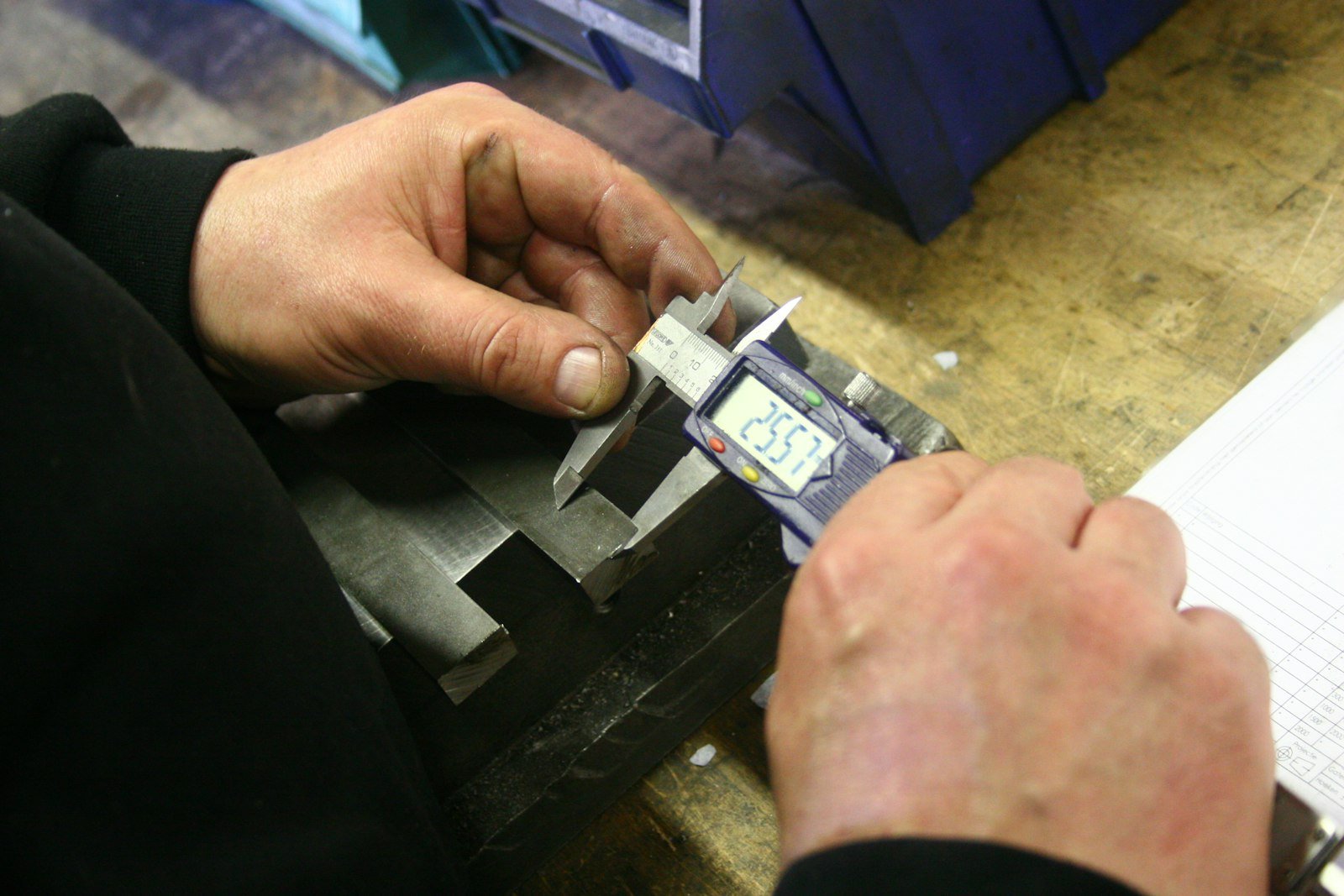
Hands using a digital caliper to measure a metal component
Photo by Hans Westbeek on Unsplash
MEASURED AGAINST THE APPROVED REFERENCEProduct evidence, not factory promises.Dimensions, function, appearance, packaging, labels, quantity, and the agreed defect criteria.
BEFORE THE INSPECTOR ARRIVES

Set the inspection up so the result can actually be used.

The inspector should not have to guess what matters. Three things need to be clear before the visit: when to inspect, what to compare against, and how the result will be judged.

Typical inspection points:
Pre-production · During production · Pre-shipment · Container loading
01

Inspection point

Choose the production stage based on where the risk can still be changed.

Most shipment-release decisions use a pre-shipment inspection.

02

Approved reference

Provide the correct product version, approved sample, dimensions and tolerances, materials, finish, packaging, labels, and functional requirements.

The inspection basis should be order-specific.

03

Acceptance rule

Define the lot, sampling plan, defect classes, and commercial criteria that support release, correction, re-inspection, or hold.

AQL can define the sampling decision rule when appropriate.

Factory worker operating industrial machinery during production
Photo by Sam Moghadam on Unsplash
WHAT THE INSPECTOR VERIFIES

Check the product against the purchase requirement — not a generic checklist.

The exact scope changes by product, but the evidence should trace back to what the buyer approved.

PRODUCT + DIMENSIONSCorrect version, materials, construction, measurements and tolerances.
WORKMANSHIPAssembly, finish, visible defects, damage, contamination, and agreed appearance points.
FUNCTION + TESTSSimple functional checks or agreed on-site tests within the inspection scope.
PACKAGING + LABELSInner pack, retail pack, inserts, barcodes, carton marks, labels, and packaging implementation.
QUANTITYAvailable quantity, packed quantity, carton count, and other relevant count checks.
Product-specific laboratory testing, certification, or regulatory verification may require separate specialist testing.
AQL + DEFECT CLASSES

Sampling tells you how to inspect. Risk tells you what the findings mean.

AQL is a decision rule, not a quality promise.

The inspected sample supports a decision about the lot. It does not prove that every unit is defect-free.

CRITICAL

Serious risk

Safety, regulatory, or severe usability risk. Critical defects normally require zero tolerance.

MAJOR

Material problem

Functional failure, serious complaint risk, or a product that materially differs from the agreed requirement.

MINOR

Lower-impact issue

Appearance or finish issues that do not make the product unusable but still matter to the agreed quality level.

Agree the defect classes and sampling criteria before the inspection, not after an unfavorable result.
AFTER THE INSPECTION

The report should make the next move obvious.

Useful evidence connects what the inspector saw to a clear commercial decision. The buyer still decides whether to release, correct, accept an exception, or hold.

What a useful report should contain

Not just photos — the facts needed to understand the result.

PRODUCT / LOTCorrect product version, quantity, production stage, and inspected lot.
SAMPLE PLANSample size and agreed acceptance criteria.
FINDINGSDefect counts, photos, measurements, and functional test results.
PACKAGINGLabels, carton marks, pack condition, and quantity evidence.
CONCLUSIONResult against the agreed criteria and any unresolved risk.
Warehouse worker inspecting products on shelving
Photo by Rodrigo Rodrigues | WOLF Λ R T on Unsplash
RELEASE

Ship

The evidence supports release and there are no unresolved findings that block shipment.

CORRECT

Rework + re-inspect

Require corrective action and fresh evidence before release.

CONCESSION

Accept a documented exception

Record an intentional commercial exception when a known deviation is accepted.

HOLD

Do not release

Keep the order on hold when the risk remains unresolved or the evidence is insufficient.

The shipment decision should be traceable to the agreed inspection basis and recorded evidence — not to pressure from the shipment date.
APPROVED REFERENCE

Sampling & Customization

Freeze the approved product, finish, branding, and packaging reference that inspection should later compare against.

Explore Sampling & Customization →

SUPPLIER RISK

Supplier Audit

Assess factory identity, capability, systems, and site evidence separately from product-level inspection.

Explore Supplier Audit →

EARLIER COMMERCIAL PATH

Product Sourcing

Use sourcing support when supplier selection, quotation comparison, or the commercial path is still open.

Explore Product Sourcing →

BEFORE YOU BOOK

Questions before arranging an inspection.

Define the inspection point, reference, and release criteria before the inspector arrives.

Which inspection stage should I choose?

Choose the stage based on where the main risk can still be changed. Use pre-production for material or readiness risk, during-production when early defects need to be caught before they spread, pre-shipment for finished-goods release, and loading checks when container condition, quantity, or loading evidence matters.

What should I send before the inspector goes?

Send the purchase specification, approved sample or photos, dimensions and tolerances, functional checks, packaging and label requirements, quantity, known risk points, and the defect or acceptance criteria you want applied.

What does AQL mean for my order?

AQL is an acceptance-sampling method used to define the sample size and decision criteria for an inspection lot. It should be agreed together with the defect classes and the commercial risk of the product.

What happens if the inspection fails?

The buyer can require rework and re-inspection, accept a documented concession, or hold shipment. The right action depends on the defect pattern, corrective evidence, timing, and the commercial impact of the deviation.

START WITH THE INSPECTION BASIS

Tell us what must be checked before the order can move.

Send the product reference, order quantity, production stage, inspection timing, acceptance criteria, packaging requirements, and the risks you want the inspector to focus on.

yansourcing
START A SOURCING PROJECT

Tell us what you need to source

Share your product or project, estimated quantity, key specifications and target timeline. Attach a BOM, drawings or reference files if you have them.
We’ll use your details to respond to this sourcing request.

Send Us A Message

Fill out this form with your detailed needs and our customer support team will contact you shortly. We will assign a professional agent to follow up on your project and provide personalized assistance.