Warehousing & Consolidation
Receive, reconcile, prepare, stage, and combine supplier deliveries before one controlled logistics handoff.


SHIPPING & LOGISTICS FROM CHINA
Choose the freight mode, lock the responsibility boundary, prepare the shipment data and documents, and keep the next handoff visible from China to destination.
Carrier schedules, duties, customs outcomes, and transit times can change. The controllable part is making the route, scope, and handoffs explicit before booking.
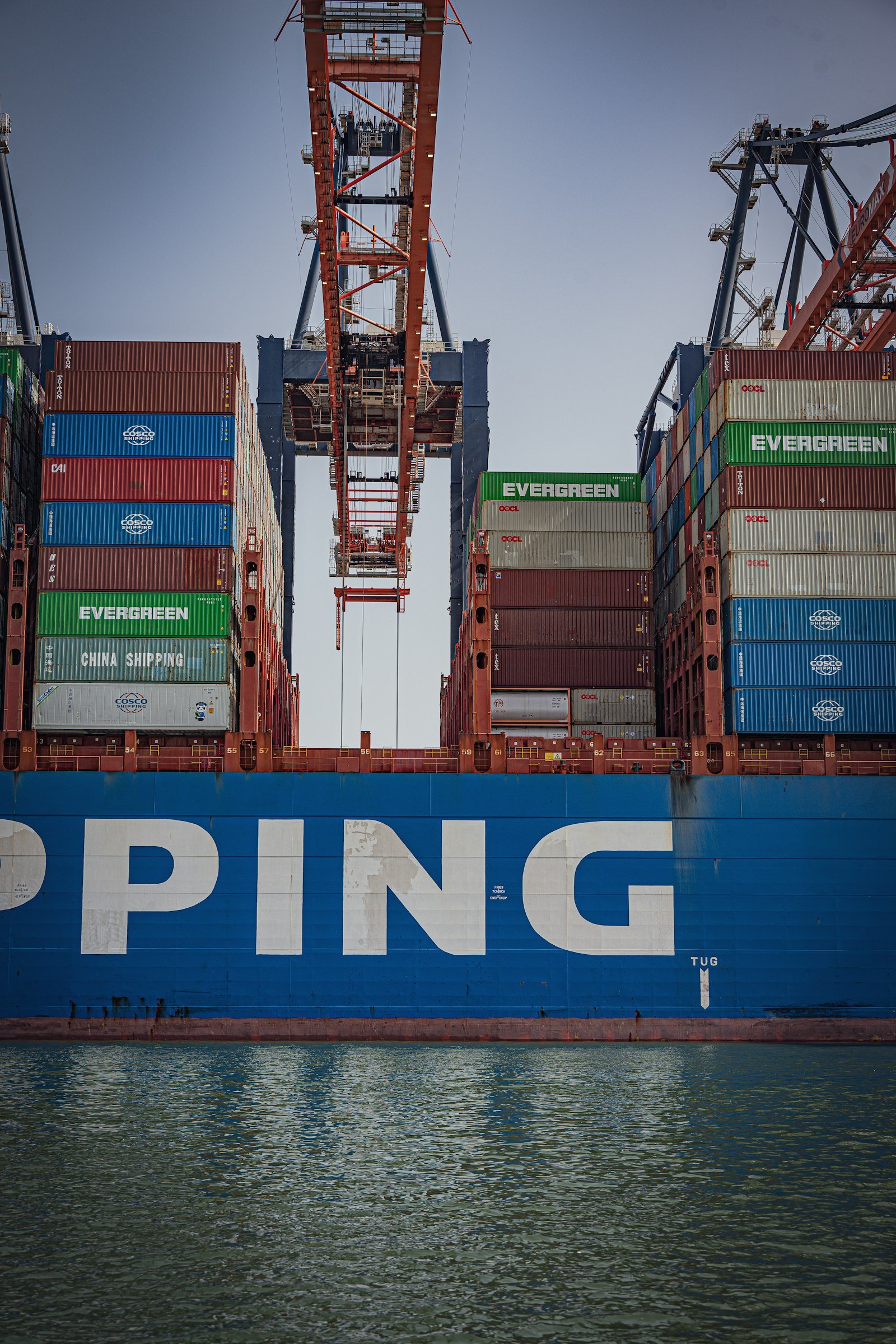
Start with what the shipment actually needs: urgency, size and chargeable weight, cargo sensitivity, destination, customs complexity, and the cost of being late.
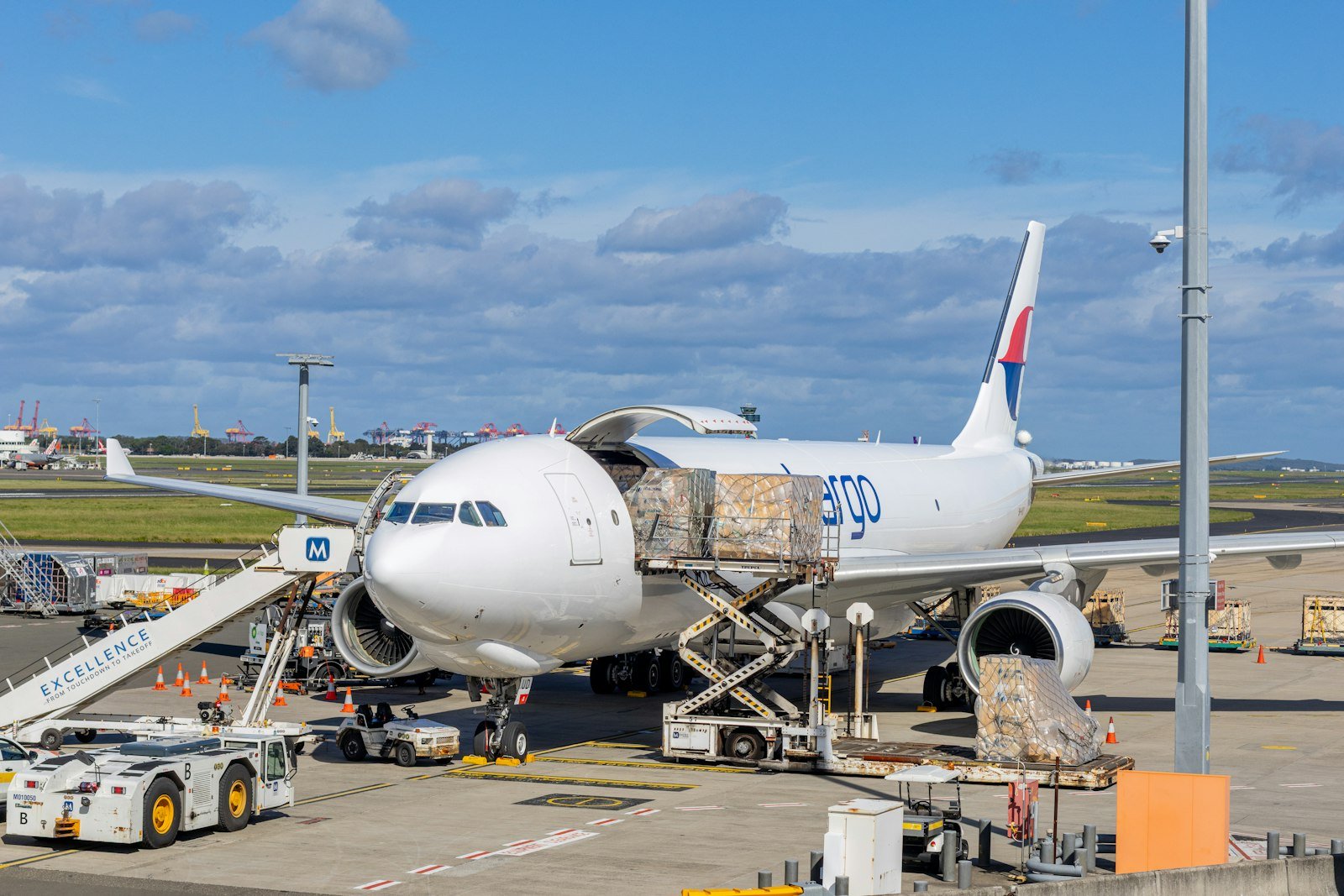
Best suited to samples, replacements, documents, and compact parcels when simplicity and speed justify the premium.
Watch dimensional weight, restricted goods, import charges, and courier clearance limits.
Useful when inventory timing, launch dates, or high-value/low-volume cargo justify faster main carriage.
Watch chargeable weight, airport handling, origin cutoffs, and destination clearance timing.
Use LCL for smaller loads or FCL when volume and handling control justify a dedicated container.
Watch extra handling, destination fees, container utilization, port cutoffs, demurrage, and delivery readiness.
“Door to door” does not mean nobody else has responsibilities. The named place and Incoterm shape who arranges each leg, where risk transfers, and who handles import clearance or duties.
The buyer takes on most transport responsibility from the supplier location, so pickup and export arrangements must be explicit.
The seller handles an agreed export-side delivery point while the buyer controls main carriage and destination-side arrangements. For containerized cargo, FCA may fit the actual handoff better than FOB.
Transport reaches the named destination, while the buyer typically remains responsible for import clearance, duties, and taxes.
The seller takes the broadest delivery obligation, but feasibility still depends on local importer, tax, and compliance rules.
The booking and clearance path depends on accurate shipment data, destination-appropriate documents, and a known importer/receiving setup.
Tracking matters when it connects the physical milestone to the next action, the current blocker, and the revised planning window.
Mode, route, carrier/service, cutoff, and planned departure are known.
Cargo enters the carrier or terminal flow with final shipment data attached.
Departure, transit status, and material schedule changes are visible.
Importer/broker actions, holds, inspections, duties, or missing information are surfaced.
Appointment, last-mile status, receiving handoff, and proof of delivery close the movement.
BEFORE YOU BOOK
Define the mode, named place, importer responsibility, shipment data, and destination handoff before cargo enters the carrier network.
Choose from the shipment profile: urgency, size and weight, cargo type, destination, handling sensitivity, customs risk, and the cost of being late. Small urgent parcels may suit express; time-sensitive commercial cargo may justify air; larger or less urgent loads often suit ocean freight.
Not automatically. Door-to-door describes the transport scope, while Incoterms and the commercial agreement define who handles import clearance, duties, taxes, and importer responsibilities. Confirm the named place and exact inclusions before booking.
At minimum: origin/pickup point, destination, cargo-ready date, commodity, quantities, carton or pallet count, dimensions, gross weight, Incoterm, packing format, and any regulated or special-handling requirements.
No universal transit time should be treated as guaranteed. Carrier schedules, weather, congestion, customs, inspections, missed cutoffs, destination appointments, and other disruptions can change the actual timeline. Use realistic planning windows and surface material exceptions quickly.
START WITH THE SHIPMENT PROFILE
Send the pickup point, destination, cargo-ready date, product type, quantities, carton or pallet dimensions and weight, preferred Incoterm, and any delivery or customs constraints you already know.