QC & Inspection
Use product-level inspection when conformity, defects, measurements, packaging, or shipment-release evidence still need to be verified.


WAREHOUSING & CONSOLIDATION IN CHINA
Receive goods from multiple suppliers, reconcile what actually arrived, prepare and stage the cargo, then hand one consolidated load into the next logistics step.
This service is about domestic pre-export receiving, staging, preparation, and consolidation. International freight and customs execution belong to the shipping stage.

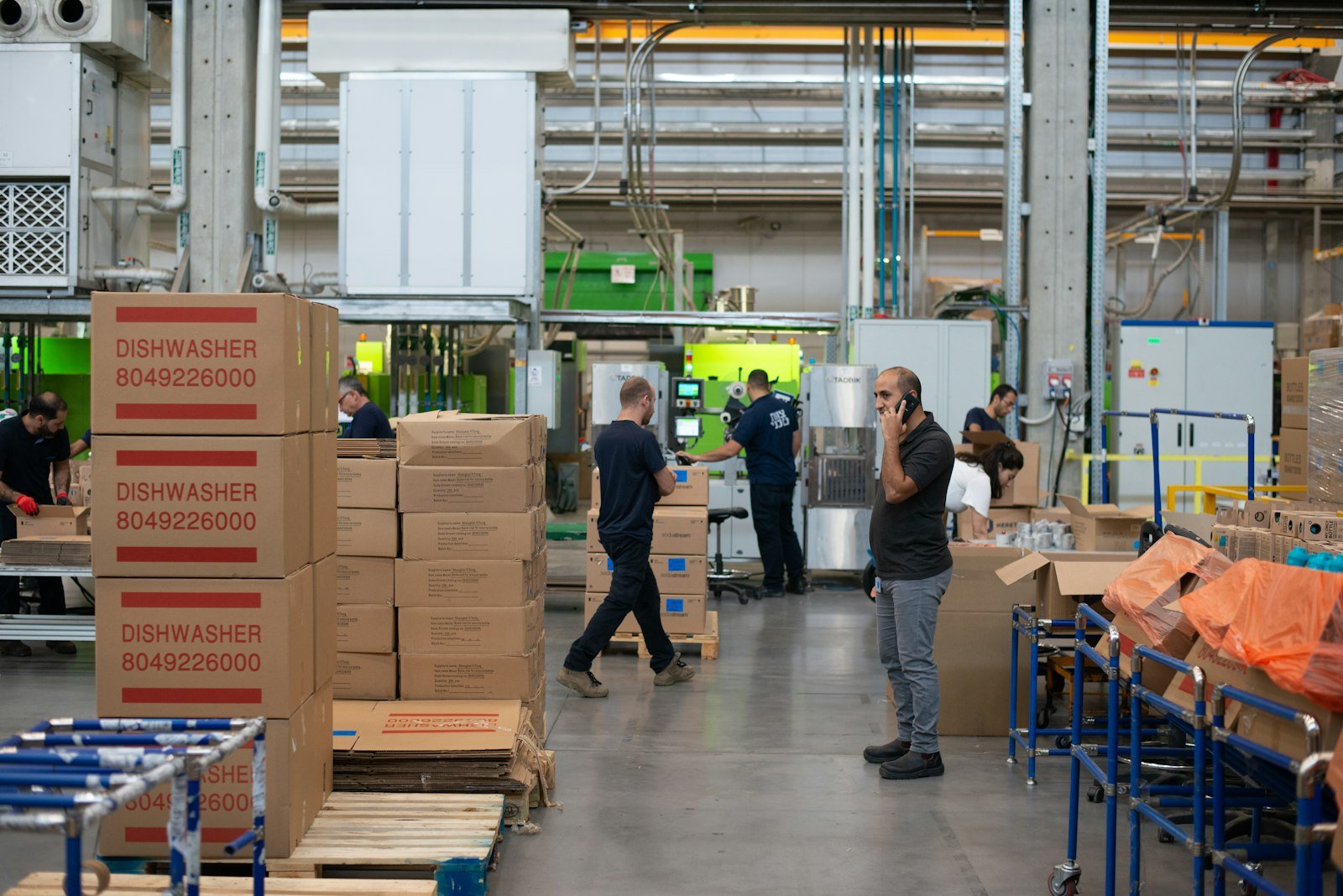
Each delivery needs to be matched to the plan before the warehouse can safely combine anything. The point is not simply to store cartons — it is to keep the inbound picture accurate.
Record the supplier, expected items, quantities, carton or pallet count, and the expected arrival window.
Know what should arrive before the truck reaches the warehouse.
Compare the physical delivery with the expected shipment and flag missing cartons, visible damage, quantity discrepancies, or obvious labeling problems.
Exceptions should be visible before cargo disappears into storage.
Keep goods organized by order, project, supplier, or final shipment so separate arrivals can be prepared without losing traceability.
Staging is what turns separate receipts into a consolidation plan.
Before goods are combined, the warehouse needs a clear view of readiness, packaging compatibility, dimensions and weights, labels and marks, and any supplier exception that still needs to be resolved.
Confirm what has arrived, what is still outstanding, and whether a late or incomplete supplier should hold the whole shipment.
Preparation should be agreed before loading so carton marks, labels, retail/FBA prep, protective packaging, or simple kitting are not improvised at the last minute.
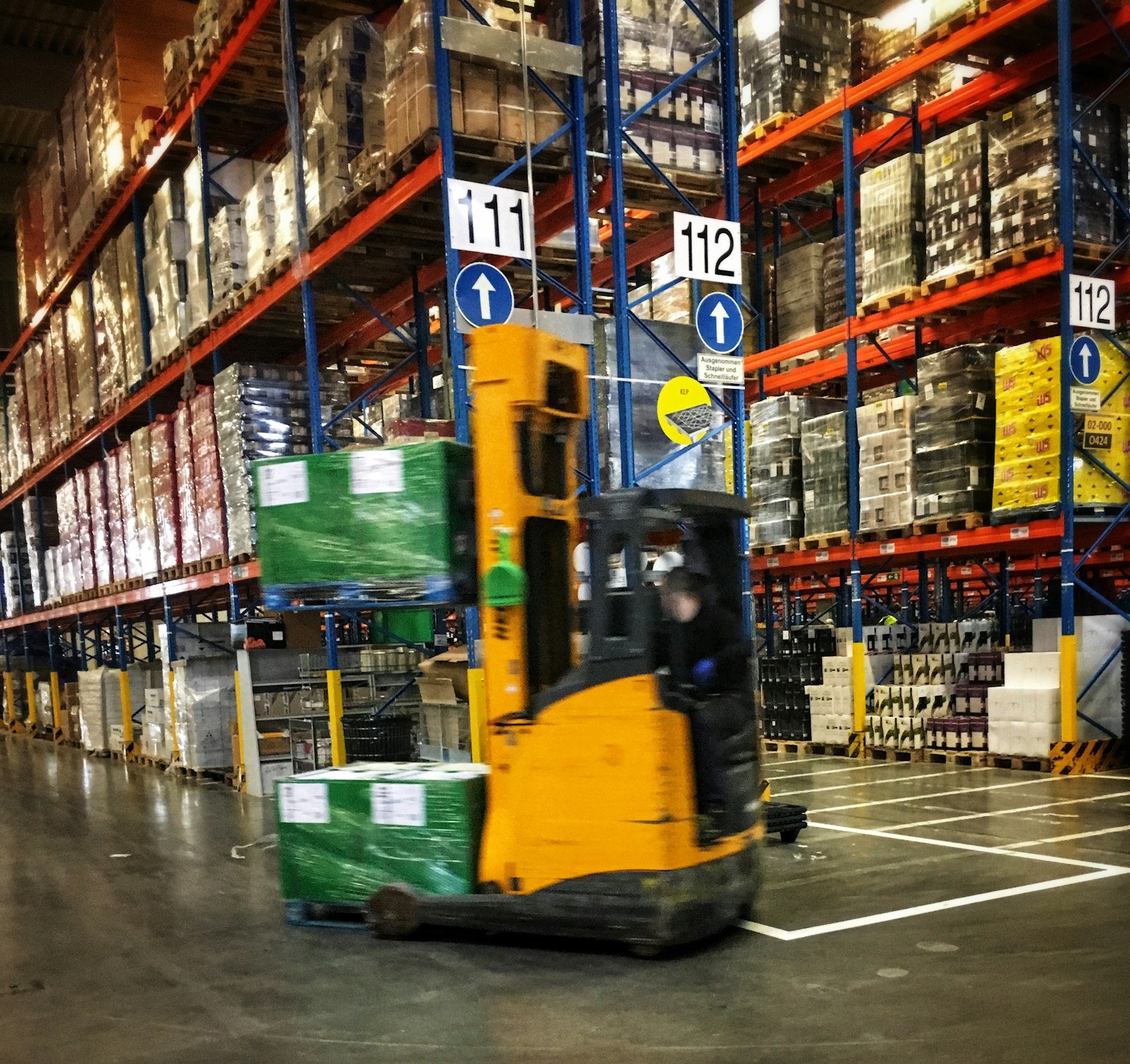
Mixed cargo can have conflicting weight, fragility, dust, moisture, stacking, or packaging needs. Consolidation should account for the actual cargo mix.
Use actual carton or pallet data to understand the consolidated load and support the next LCL/FCL or other freight decision.
Once the cargo is ready, the warehouse should hand off more than stacked cartons. The next step needs a clear record of what is moving and what remains unresolved.
A practical shipment-ready summary should connect the physical load to the project plan.
BEFORE YOU CONSOLIDATE
A few points to define before separate supplier deliveries begin arriving.
Not always. Warehousing becomes useful when deliveries need to arrive at different times, be reconciled, staged, prepared, or combined before the next shipment. The value is control and synchronization, not storage for its own sake.
Basic receiving checks can confirm counts, visible condition, labels, or obvious discrepancies. Detailed product QC should be scoped separately when you need measurements, defect classification, functional checks, AQL sampling, or formal shipment-release evidence.
Those activities can be included when they are agreed in the warehouse scope. The required labels, marks, packaging materials, kitting logic, and acceptance criteria should be defined before the goods arrive.
No. Warehousing & Consolidation prepares and controls the domestic pre-export load. International freight booking, customs coordination, and destination delivery belong to the Shipping & Logistics stage.
START WITH THE INBOUND PLAN
Send the supplier list, expected quantities, carton or pallet information, arrival timing, preparation requirements, and the shipment you want the warehouse to build toward.