
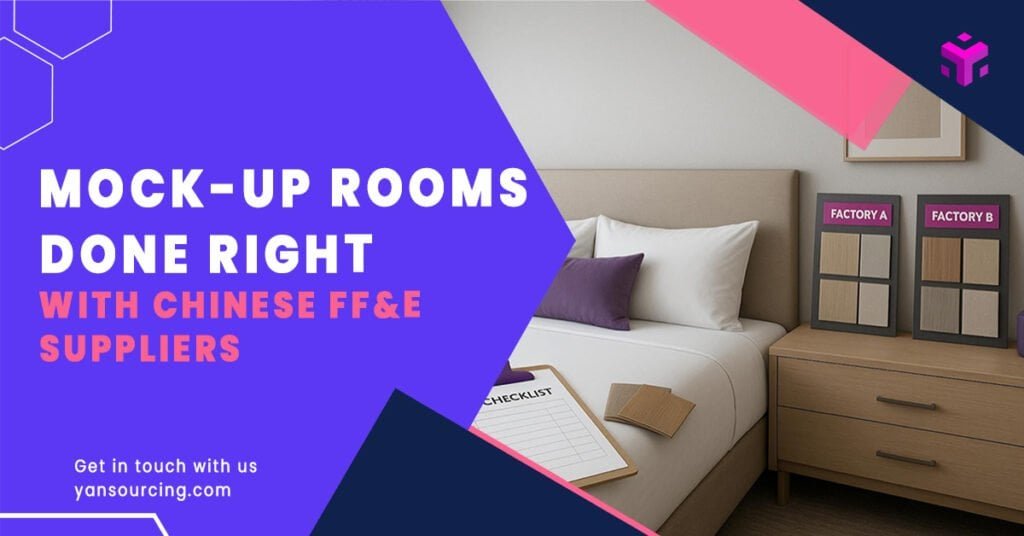
A mock-up room isn’t a showroom.
It’s your safety net.
In hospitality procurement, the mock-up’s job is to surface risks early, fix them cheaply, and lock standards before mass production.
If you manage hotel FF&E, think of the mock-up as the bridge that translates design intent into factory language — clear BOMs, tolerances, finish recipes, and inspection criteria that Chinese suppliers can execute repeatedly without quality fade.
What a mock-up should achieve (in plain terms)

- Golden sample: The master reference unit everyone agrees to. Sign it off with photos, measurements, tolerances, materials, and test reports, and keep controlled custody copies. See the overview by HKTDC (2023) in ‘Golden sample tips’ and definitions from Insight Quality (2025).
- First Article Inspection (FAI): Verify the very first production unit against specs before letting full production run. Originated in aerospace via SAE AS9102 (2023); its principles (balloon drawings, measure key characteristics, FAIR forms) adapt well to furniture.
- AQL sampling: Use ISO 2859-1 acceptance sampling to judge lot quality with defined defect classes (critical/major/minor). See the explainer by QIMA (2025): ‘Acceptable Quality Limit’.
Phase 1 — Pre-mock-up planning

Get governance and specifications tight before a single screw turns.
- Governance & RACI
- Define approvers: owner’s rep, brand/design QA, project manager.
- Set a single source of truth for specs and revisions (versioned files, change logs).
- Specification package (factory-ready)
- Complete BOM with materials, finishes, tolerances, supplier part numbers, and material certificates.
- Drawings with call-outs for hardware, joinery, radii, and clearances; finish standards with colour/sheen targets.
- Testing plan for regulated items (flammability for upholstery, electrical safety for fixtures). Follow applicable standards—e.g., U.S. markets often reference TB 117-2013; see the guidance from CPSC (2024) on upholstered furniture.
- Supplier alignment in China
- Kickoff with bilingual spec packs; confirm understanding via supplier sign-back and questions log.
- Identify sub-suppliers (veneer, foam, fabric, metal) and ensure they receive the same spec fidelity.
- Risk register
- Flag high-variance finishes (veneers/metals), complex assemblies, fire-rated/electrical items.
- Prioritize extra controls (pre-finish panels, lab tests, pilot assemblies).
- Contract anti-downgrade controls
- Incorporate detailed specs and approved vendor lists into the contract; deviations require formal ECO.
- Reserve inspection/testing rights with acceptance tied to AQL targets and pass/fail criteria; holdbacks (e.g., 5–15%) release only after inspections and certificate packages.
- For China jurisdiction, consider CIETAC arbitration and audit rights to production/QC records; see guidance such as Harris Sliwoski’s contract checklist (2025).
Phase 2 — Build & review the mock-up
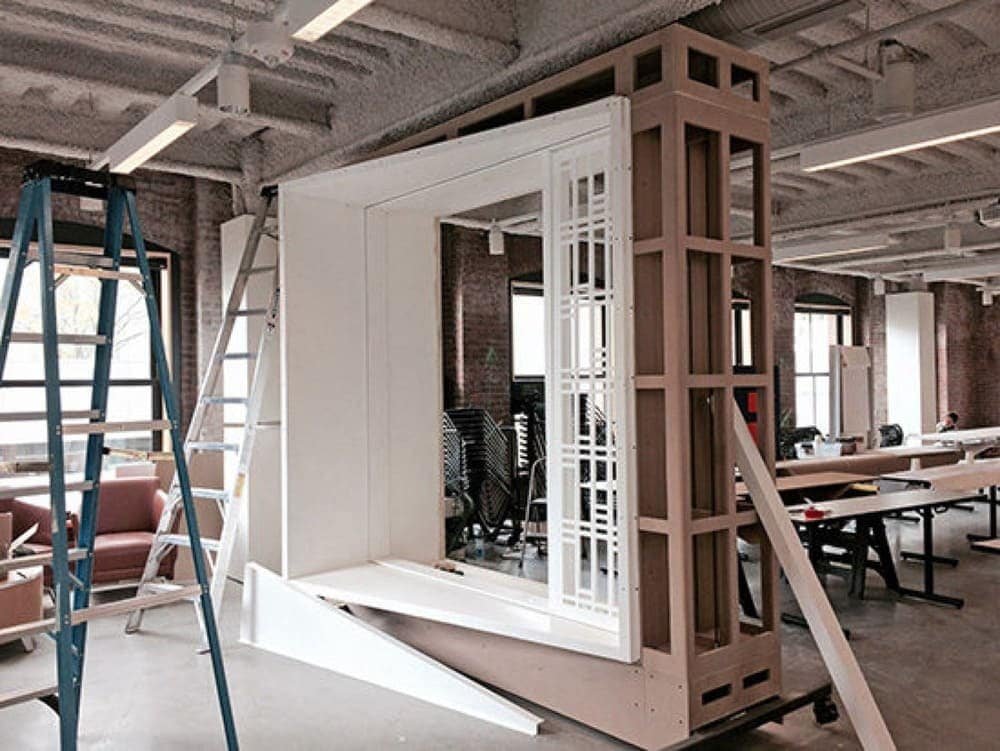
Now you turn drawings into reality—and capture evidence you can scale.
- Sample tiers and records
- Prototype → pre-production sample → golden sample.
- Record photos, measurements, batch IDs, process settings, and test results. Keep dual custody: one golden sample with you, one with the lead factory, plus digital records.
- On-site tests and ergonomic checks
- Comfort and function: seating heights, cushion hardness, drawer glides, door swing, cable management.
- Durability spot checks: joint rigidity, fastener pull-out, scratch/dent resistance where feasible.
- Finish colour and sheen against a master finish standard; use instruments (Delta E targets, gloss meter) if available.
- Documentation and sign-offs
- Use checklists and photos to freeze decisions; if you adopt FAI principles, compile a concise FAIR for the golden sample.
- Explicitly list “approved if” conditions (e.g., change veneer cut on headboard; increase foam density). Route changes through an ECO.
- Cross-factory coherence
- Share the same master finish standard across vendors; require each factory to make approval panels.
- Lock finish recipes and batch controls; keep veneer flitch mapping and batch IDs to avoid visible mismatches across rooms/floors.
Phase 3 — Lock and scale to mass production
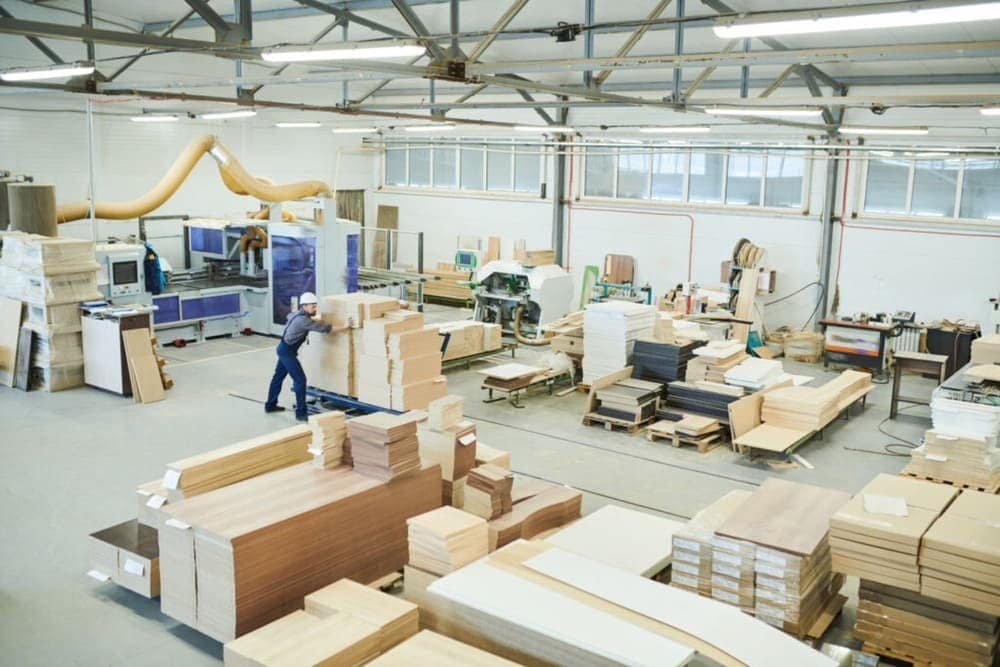
Your goal is repeatability without drift—every room consistent, every lot traceable.
- ECO/change control
- Use a formal ECR→ECO→ECN workflow with cross-functional approvals, effectivity dates/batches, and auditable trails. See overviews like PTC’s ‘What is an ECO?’ (2024).
- Factory readiness
- Confirm tooling, material availability, batch planning, and training against the golden sample.
- Schedule pre-finish checks and pilot builds for complex assemblies.
- QA/QC plan (AQL + FAI)
- Define inspection levels and defect classes; critical defects AQL 0%, typical majors ~2.5, minors ~4.0, adjusted to project risk.
- First Article Inspection: verify the first production unit against the golden sample and drawings before releasing the lot.
- In-process and pre-shipment inspections reference the golden sample and master finish standards.
- Payment and acceptance
- Tie milestone payments to inspection outcomes and certificate packages; retain holdbacks until acceptance.
- Packaging, labeling, and kitting
- Specify packaging performance by shipment type. For parcel/LTL/palletised loads, many programs follow ISTA series; see Smurfit Kappa’s guide (2022) to ISTA testing.
- Room-by-room kitting: pre-label kits per room/floor, manifest by installation sequence, and use QR labels to link each kit to drawings/specs.
Quick summary table: what to lock at each phase
| Phase | Must-check controls | Evidence & owner |
|---|---|---|
| Pre-mock-up | RACI, complete spec pack, bilingual alignment, risk register, contract clauses | Versioned specs; supplier sign-backs; risk log; contract attachment; owner’s rep |
| Build & review | Sample tiers; on-site tests; finish approval; custody of golden sample; ECO for changes | Photos/measurements; test notes; finish panels; custody records; ECO log; PM/QA |
| Scale to production | ECO governance; factory readiness; AQL plan with FAI; payment/acceptance; kitting | ECO trail; FAI/FAIR; inspection reports; acceptance docs; pack plans; QA/SCM |
Practical example: coordinating golden samples and inspections
Disclosure: Yansourcing is our product.
Here’s a compact workflow we’ve seen work across multi-factory hotel projects in China.
A single “master finish” kit—veneer, lacquer, metal, fabric—is approved in the mock-up.
Yansourcing coordinates dual custody: one golden sample stays with the buyer, one with the lead casegoods factory. Each additional factory produces its own finish approval panels matched to the master.
Before mass production, we schedule a First Article Inspection at the lead factory, using ballooned drawings to verify critical dimensions and finish metrics.
Then, AQL inspections are booked per lot with defect classes pre-defined; acceptance decisions reference the golden sample and finish standards.
The result is not a promise of perfection but a controlled pathway that keeps substitutions and colour drift from sneaking into production.
Cautions and troubleshooting
- Regulated items: Fire-rated upholstery and electrical fixtures require certified testing and local code compliance. Use applicable standards (e.g., TB 117-2013 in U.S. markets) and retain lab reports. See CPSC’s upholstered furniture FAQ (2024).
- Veneer/finish matching: Define match types per elevation; maintain veneer flitch mapping and batch IDs; enforce shared master finish standards across factories.
- Installation readiness: Provide jigs/templates for wall mounting, power access, and clearances; kit parts by room and sequence; label hardware and provide as-built instructions.
- Holdbacks and leverage: Tie retentions to QC milestones and certificates; keep audit rights if non-conformance is suspected.
Next steps
Download the editable Mock-Up Room Checklist to use on your next hotel project.
It condenses the controls above into a practical, reusable tool you can hand to factories and inspectors.
When you’re ready, bring the checklist to your kickoff meeting and lock the governance and specs from day one.
