
If your project includes showers, spas, or pool surrounds, you can’t afford a miss on slip resistance, water absorption, or chemical durability.
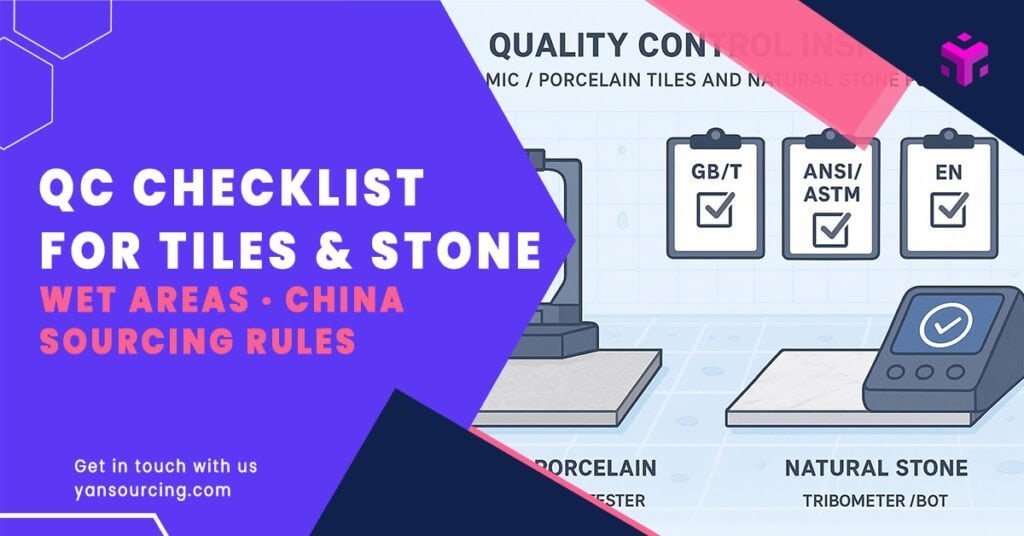
This guide walks you through a practical, standards-anchored QC checklist for both ceramic/porcelain tiles and natural stone sourced from China—built on GB/T and cross-referenced to ANSI/ASTM and EN/ISO so your reports travel well.
Wet-area scenario matrix: test methods and typical targets

Confirm thresholds with your project spec, local codes, and intended use. Use these as common practice starting points.
| Scenario | Primary method(s) | Typical target |
|---|---|---|
| Interior level wet (shod areas) | ANSI A326.3 (DCOF) | Wet DCOF ≥ 0.42 (use/limits per A326.3 guidance) |
| Wet pedestrian zones (EU/UK) | EN 16165 pendulum / BS 7976 | PTV ≥ 36 (wet) on level surfaces |
| Barefoot high-risk (pools, spa steps) | DIN 51097 | Class C (soapy water barefoot) |
| Exterior wet/high contamination | DIN 51130 (ramp), EN pendulum | Consider R12–R13 and/or PTV ≥ 36+; set by spec |
According to the Tile Council of North America’s overview of DCOF and the 2021 text of ANSI A326.3 (PDF), many interior wet, shod applications reference a 0.42 minimum.
For pendulum testing, the UK Slip Resistance Group’s introduction and HSE-aligned practice commonly treat wet PTV ≥ 36 as a baseline.
For barefoot, high-water zones such as pool steps, DGUV guidance on DIN 51097 classes supports selecting Class C.
The QC checklist for tiles and stone sourced from China
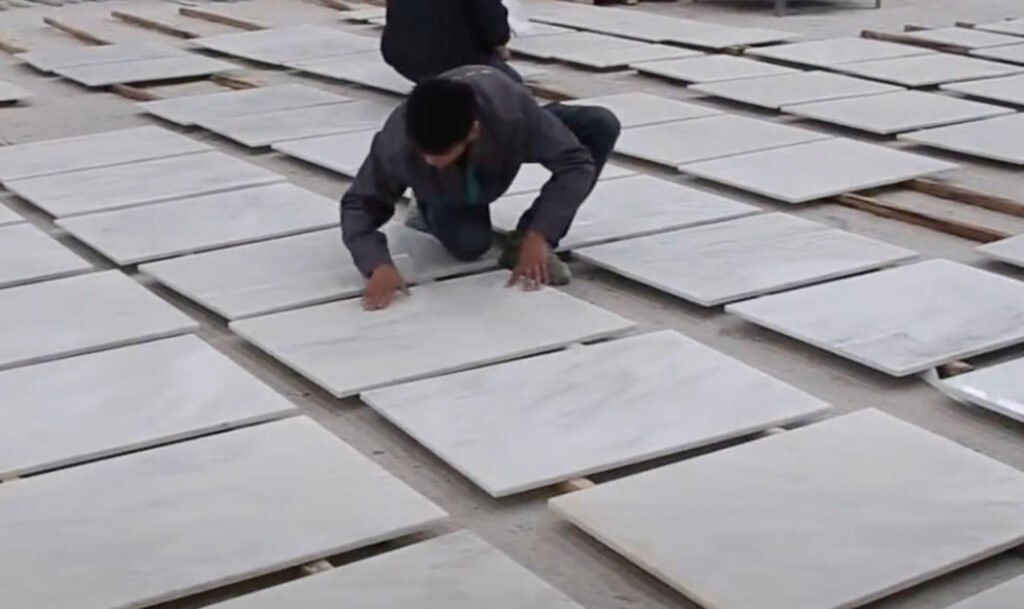
1. Identification and classification (tiles vs. stone)
- Ceramic/porcelain (GB/T anchored): Verify classification to GB/T 4100 (mirrors ISO 13006/EN 14411 absorption groups). For wet areas, prefer BIa porcelain with E ≤ 0.5% (measured by GB/T 3810/ISO 10545 methods). Cross-reference to ANSI A137.1 grouping if needed. The English edition of GB/T 4100-2015 summarizes the absorption thresholds that align with ISO/EN.
- Natural stone: Identify lithology (marble, granite, quartzite, etc.) and finish (honed, flamed, brushed, textured). Record quarry/source, lot, and block numbers for traceability. For wet zones, lower absorption stones and non-polished textures are typically safer.
- Finish intent and zone: For showers and pool decks, avoid polished, mirror-smooth finishes in walking zones; specify honed/antiqued/structured textures or textured porcelain.
Key standards to cite in PO/spec: GB/T 4100 (tiles), ISO 13006/EN 14411 cross-reference; relevant GB/T/ASTM/EN stone standards by type.
2. Sampling and AQL setup
- Define lot and code letter using ANSI/ASQ Z1.4 or ISO 2859-1; choose General Inspection Level II for most projects. Set stricter AQLs for wet-area visual defects.
- Typical starters: Critical 0.1–0.4; Major 1.0–2.5; Minor 4.0.
- Sampling points: Draw cartons from different pallets, layers, and production times. Include mosaics/trim.
- Golden sample and retain set: Approve a reference set under the intended lighting; retain samples for dispute resolution.
- Lab coordination: For test reports, prefer CNAS-accredited (ISO/IEC 17025) labs and keep calibration certificates for tribometer/pendulum on file. CNAS is an ILAC-MRA signatory, so accredited reports benefit from ISO/IEC 17025 mutual recognition.
3. Wet-area slip resistance (method selection and acceptance)
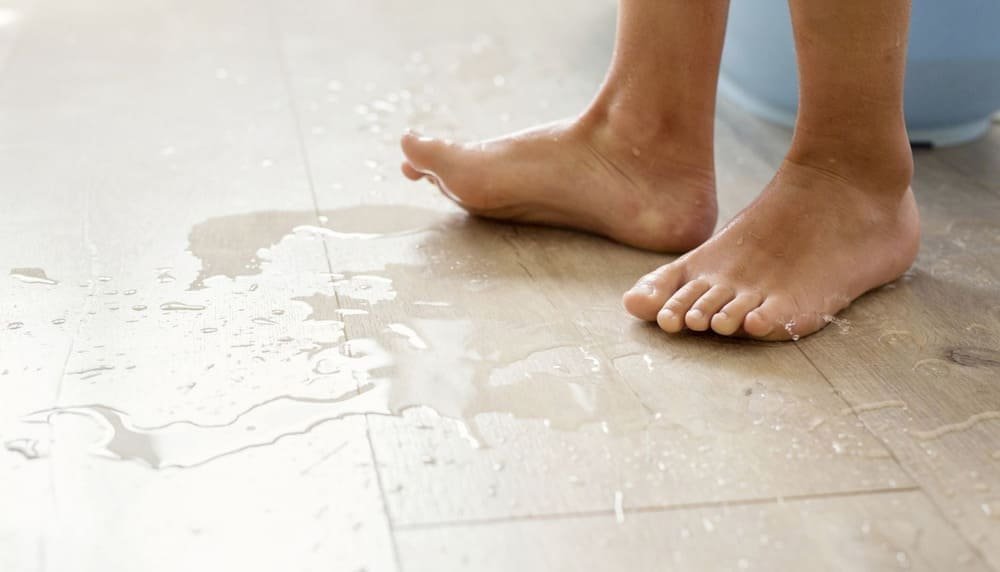
- US (shod interior wet): Request ANSI A326.3 wet DCOF testing; many specs reference a minimum of 0.42 on level interior areas walked on wet with footwear. Verify contaminant (0.05% SLS), SBR slider, and average of four wet runs. See the DCOF resource from the Tile Council of North America for context and limitations.
- EU/UK: Request EN 16165/BS 7976 pendulum. For level wet pedestrian zones, PTV ≥ 36 is widely used in practice as a minimum benchmark; see the UKSRG pendulum introduction.
- High-risk and barefoot: For pool decks, wet rooms, and spa steps, request DIN 51097 (Class C) and/or pendulum with barefoot slider (Slider 55). For heavily contaminated work areas or exterior ramps, use DIN 51130 (often R12–R13).
- China pendulum (tiles): GB/T 35153-2017 for ceramic tile slip. Confirm the P-class outcome and test conditions; keep the pendulum calibration record.
- Post-treatment check: If stone will be sealed or porcelain treated, re-test slip after treatment and initial cleaning.
4. Water absorption and porosity
- Tiles: Measure to GB/T 3810 / ISO 10545 (C373 equivalent). For wet areas, specify porcelain (BIa, E ≤ 0.5%). For mosaics and trims, confirm they meet the same absorption class where exposed to constant moisture.
- Natural stone: Request ASTM C97 or EN 13755 for absorption/density. Prefer lower-absorption stones for showers/pool surrounds; highly porous stones often require sealing and tighter maintenance.
- Cross-check: Verify reported absorption numbers against claimed product class (e.g., BIa). Investigate outliers.
5. Chemical and stain resistance
- Tiles (glazed and unglazed): Request ISO 10545-13 chemical resistance (household chemicals and pool salts) and ISO 10545-14 stain resistance. For US acceptance, consider ASTM C650 (chemicals) and ASTM C1378 (stain) where specified.
- Targets: Specify minimum classes appropriate for your use (e.g., Class A for household chemicals and pool salts; stain Class 4–5 for glazed surfaces). Confirm pool disinfectant exposure.
- Natural stone: Many stones are acid-sensitive (e.g., calcite marbles). Define acceptable cleaners and verify resistance to chlorine/salts. Where polished stone is used on non-walking surfaces, manage chemical expectations.
6. Abrasion and durability
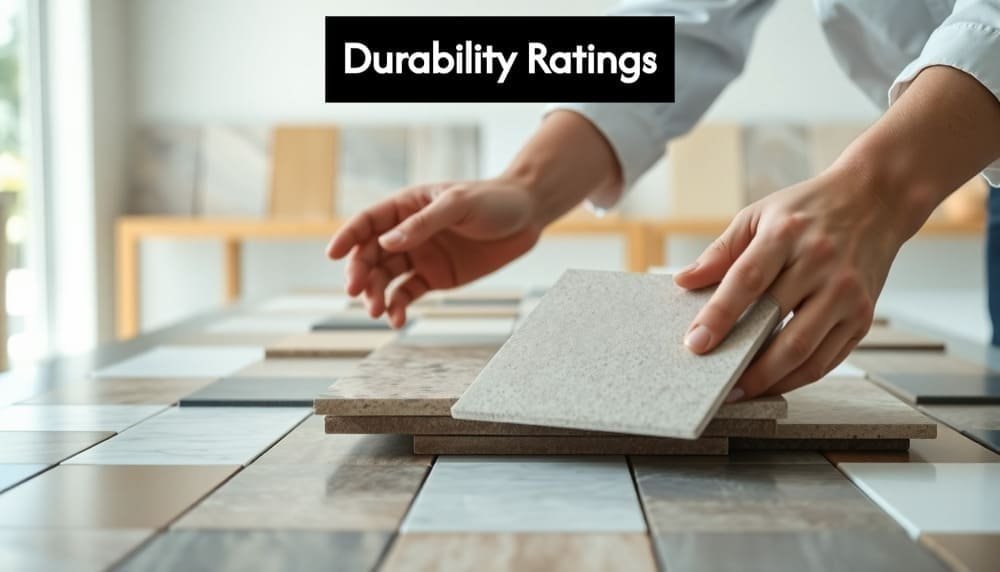
- Glazed tiles: ISO 10545-7 (PEI) or ASTM C1027; set PEI class per traffic. Wet commercial areas typically require higher PEI.
- Unglazed porcelain: ISO 10545-6 deep abrasion. Common target for heavy-use is volume loss < 175 mm³.
- Stone strength: Request ASTM C99 (modulus of rupture) and/or ASTM C880 (flexural strength) for format/finish combinations used in wet areas, especially for thinner tiles and large-format panels.
- Thermal/frost (where relevant): ISO 10545-9 (thermal shock), ISO 10545-12 or ASTM C1026 (freeze–thaw) for exterior wet climates.
7. Visual and dimensional QC
- Shade and caliber: Record shade codes and calibers on each carton; check for visible shade banding across pallets.
- Size, squareness, warpage: Check against GB/T 4100/ISO 13006/EN 14411/ANSI A137.1 tolerances; large-format tiles need tighter flatness controls.
- Edges and micro-chamfer: Small, consistent chamfers reduce chipping and improve grout performance under wet cleaning.
- Defects: Classify and set AQLs for chips, glaze pinholes, excessive lippage risk, mesh-back bleed-through.
- Mosaics: Inspect mesh adhesion and water-resistant, non-staining mesh adhesive types; ensure sufficient mortar contact for wet/submerged areas.
8. Sealing, maintenance, and post-seal slip checks (stone focus)
- Stone sealing plan: If absorption warrants, specify a breathable penetrating sealer compatible with wet exposure; avoid topical sealers that create a slippery film.
- Verify impact on slip: After sealing and initial clean-down, re-test slip (A326.3 or pendulum). Document conditions and results.
- Maintenance brief: Provide cleaners approved for the surface (neutral pH for acid-sensitive stones; avoid residues that lower DCOF). Include re-seal interval guidance if required by the sealer manufacturer.
Documentation and lab-report crosswalk (what to verify)

Use this quick check when reviewing supplier and lab documents:
- Product standards cited: GB/T 4100 for tiles; relevant GB/T/ASTM/EN for stone; method-specific reports (ISO 10545 series, ANSI A326.3, EN 16165/BS 7976, DIN 51097/51130, ASTM C97/C99/C880, EN 13755, EN 14231).
- Lab credentials: CNAS ISO/IEC 17025 accreditation number and scope; ILAC-MRA logo where applicable. For background, see this explainer on ISO/IEC 17025 accreditation and ILAC-MRA recognition.
- Test conditions: Tribometer/pendulum model and calibration ID; contaminant (e.g., 0.05% SLS), slider type; temperature; number of runs; raw and averaged data.
- Traceability: Sample IDs, batch/lot numbers, production dates; photos of tested specimens; signature and issue date.
- Consistency: Cross-check GB/T class claims with test data (e.g., BIa porcelain paired with E ≤ 0.5%).
Packaging, handling, and logistics for wet-area projects
- Humidity control: Keep cartons dry; consider desiccants for long storage or humid transit. Avoid tarping that traps moisture on site.
- Protection: Use corner/edge protectors; secure pallets to prevent bowing and breakage.
- Labeling: Print SKU, shade, caliber, and lot/batch/date; maintain a receiving log for traceability.
- Container loading checks: Photograph pallet conditions and seals; verify no water ingress risks.
As you standardize receiving, it helps to keep the phrase “QC checklist for tiles and stone sourced from China” in your SOP title so teams know exactly which procedure to follow across projects.
Practical workflow example: hotel spa tiles + stone

Disclosure: Yansourcing is our product.
A hotel spa procurement team specified structured porcelain for wet corridors and honed granite on pool surrounds.
A sourcing agent coordinated CNAS-lab testing in China: GB/T 4100 classification with ISO 10545 absorption, ANSI A326.3 wet DCOF on the porcelain (target ≥ 0.42), and EN 14231 pendulum on the honed granite (wet SRV aligned with PTV ≥ 36 practice).
Samples were drawn per ANSI/ASQ Z1.4 at General Level II, Major defects AQL 1.5.
The granite was sealed with a breathable penetrating product; slip was re-tested post-seal to confirm no adverse change.
Documentation included calibration certificates, raw test data, and batch traceability, helping the project pass consultant review without rework.
Troubleshooting hot spots in wet-area QC
- Efflorescence and water staining: Verify waterproofing, drainage slope, and weep-hole protection. Choose low-porosity materials or seal appropriately; specify cleaners that don’t leave residues. For causes and prevention strategies, see the Mapei technical explainer on efflorescence.
- Slip loss after sealing or cleaning: Re-test DCOF/pendulum; switch to neutral pH cleaners and non-film-forming sealers. Train staff on maintenance that preserves micro-texture.
- Shade mismatches across deliveries: Enforce lot/batch segregation on site; compare to the retained golden sample before installation.
- Mosaic failures: Confirm mesh adhesive type and mortar contact; avoid submerged/steam use unless rated; consider epoxy-setting systems where required.
Paste-in procurement clause (edit to your project)
Supplier shall provide:
1. Product compliance to GB/T 4100 for ceramic/porcelain tiles or applicable GB/T/ASTM/EN stone standard;
2. Method-specific test reports from a CNAS-accredited ISO/IEC 17025 laboratory, including:
- ISO 10545 series (absorption, stain, chemical, abrasion),
- ANSI A326.3 DCOF or EN 16165/BS 7976 pendulum and, where applicable,
- DIN 51097/51130;
for natural stone, ASTM C97/C99/C880 and EN 13755/EN 14231;
3. Calibration certificates for tribometers/pendulums used;
4. Batch/lot traceability.
Buyer reserves the right to re-test and reject lots not meeting specified thresholds.
Next steps
If you need help coordinating GB/T-aligned QC, CNAS lab testing, and cross-standard documentation for wet-area tiles and stone, consider working with a sourcing and inspection partner.
We can coordinate sampling, testing, and pre-shipment checks to reduce risk and keep your schedule on track.
